
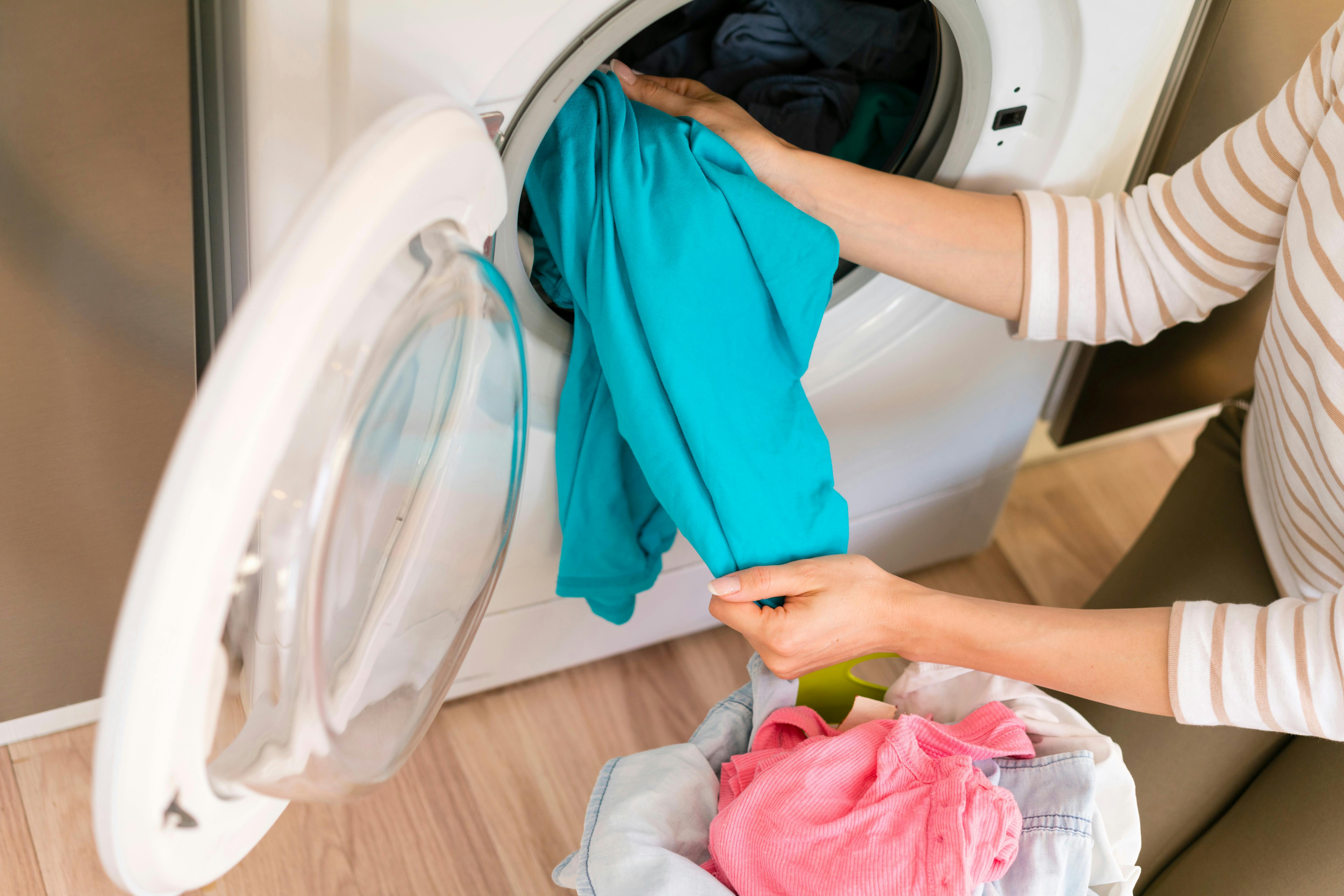
💬 "Can I just throw everything in the washing machine?"
Standing in front of your laundry basket, you face this question every week. That delicate blouse, your favorite bra, gym clothes, and everyday t-shirts all mixed together—can they all go in the machine, or do some need special treatment? Making the wrong choice means risking damage to clothes you love, while being overly cautious means spending unnecessary time hand washing items that could handle the machine just fine.
This guide cuts through the confusion with clear, practical advice on which garments need hand washing and which can handle machine washing. You'll learn to read the signs, understand fabric requirements, and develop a washing routine that protects your clothes while respecting your time.
Understanding Why the Method Matters
The washing method you choose determines how long your clothes last and how well they maintain their appearance. Machine washing uses mechanical agitation, tumbling action, and high-speed spinning to clean clothes efficiently. This aggressive approach works wonderfully for durable fabrics but can destroy delicate items in a single wash.
Hand washing gives you complete control over pressure, duration, and treatment. The gentle squeezing and swirling action cleans effectively without the harsh mechanical stress of machine washing. For delicate fabrics, embellished garments, and special items, this gentler approach is the difference between clothes lasting years versus being ruined.
When Machine Washing Works Best
Machine washing offers undeniable advantages for appropriate items. It's time-efficient, handling an entire load while you do other things. The consistent mechanical action provides thorough cleaning for heavily soiled items. Hot water capability kills bacteria effectively for items that need sanitization. For durable everyday wear, machine washing is both practical and effective.
When Hand Washing Becomes Essential
Some garments simply cannot survive machine washing. The aggressive tumbling stretches delicate fabrics, the high-speed spinning distorts shapes, and the mechanical stress breaks down fine fibers. Hand washing preserves these vulnerable items, prevents stretching and snagging, and extends garment lifespan significantly. Yes, it takes more time, but for special pieces, that investment protects items worth much more than the time spent caring for them.
Quick Decision Guide for Common Items
Always Hand Wash These
Certain items should never see the inside of a washing machine. Delicate fabrics like silk, lace, cashmere, fine wool, chiffon, and satin require gentle hand washing always. These materials are simply too fragile to withstand mechanical agitation.
Bras and lingerie, especially anything with underwire, need hand washing to preserve elastic and prevent wire bending. Swimwear should always be hand washed because chlorine and salt damage elastic fibers that machine washing accelerates. Pantyhose, tights, and any embellished items with beading, sequins, or embroidery will snag or lose decorations in the machine.
Vintage or antique clothing, hand-knitted items, and anything specifically labeled "Hand Wash Only" fall into this category. The care label exists for a reason—manufacturers tested their product and determined machine washing will damage it.
Always Machine Wash These
Durable everyday items not only can handle machine washing but actually benefit from it. Cotton t-shirts and casual wear, denim jeans (in cold water), polyester activewear, towels, bed linens, and canvas fabrics are built for machine washing. The thorough mechanical cleaning removes dirt and bacteria more effectively than hand washing could.
Heavy items like thick blankets, comforters, and machine-washable curtains are too large and cumbersome for practical hand washing. High-soil items including gym clothes, work uniforms, children's play clothes, and kitchen towels need the aggressive cleaning action that only machine washing provides.
Items That Depend on Quality
Some categories require checking the care label because they vary. Wool sweaters come in both machine-washable and hand-wash-only varieties. Rayon and viscose quality determines washing method—cheap versions often require hand washing, while higher-quality pieces might be machine washable. Knit garments, certain delicate cotton items, and dress shirts all depend on their specific construction and quality level.
Reading Care Labels Like a Pro
The care label inside your garment contains critical information that prevents damage. Learning to interpret these symbols saves clothes from destruction.
The hand wash symbol shows a basin with a hand icon. This clearly indicates hand washing is required, and you should never ignore it. Machine washing items with this symbol will likely cause immediate or gradual damage.
The machine wash symbol displays a basin with water level lines. The number inside indicates maximum temperature in Celsius. Additional markings might specify gentle cycle requirements. Some labels show a basin with an X through it, meaning do not wash at home—professional cleaning only.
Understanding these symbols is important because when a care label specifies hand washing, there's a reason based on fabric testing. The manufacturer knows their product's limitations, and following their guidance prevents costly mistakes.
How to Hand Wash Clothes Properly
Hand washing isn't complicated, but proper technique makes a significant difference in results.
Setting Up for Success
Fill your sink or basin with cool to lukewarm water—30°C or below for delicate items. Add a small amount of gentle detergent, approximately one teaspoon for a sink-full of water. Mix until completely dissolved before adding any clothes. Singapore's tap water is already warm in our climate, so you might want to let it run cool first or even add ice when washing very delicate silks during hot weather.
Sort items by color, washing darks and lights separately to prevent dye transfer. Group items by fabric type, and wash only one or two pieces at a time for best results. Trying to wash too many items simultaneously prevents proper cleaning and thorough rinsing.
The Washing Process
Gently place the garment in water and press down until it's completely saturated. Let it soak for three to five minutes for light soiling, or up to fifteen minutes for moderate dirt. Don't exceed thirty minutes of soaking—colors may bleed with prolonged water exposure.
Begin gentle agitation by swishing the garment through the water using soft squeezing motions. Never wring or twist delicate fabrics. Focus attention on areas that typically get dirtiest—underarms, collars, and cuffs. For stubborn spots, use a soft brush with gentle circular motions. Avoid excessive rubbing that can damage fibers or distort fabric.
Rinsing and Drying
Drain the soapy water and refill with clean cool water. Swish the garment to remove detergent, then repeat this process until water runs completely clear. This typically requires two to three rinse cycles. Ensuring all soap is removed matters because residue attracts dirt and makes clothes feel stiff.
To remove excess water, gently squeeze without wringing or twisting. Press the garment between clean towels, or roll it in a towel to absorb moisture. Never twist or pull the fabric, as this causes permanent distortion.
For drying, lay knit items flat on a clean towel to maintain their shape. Items that can hang, like dresses and shirts, should be hung on appropriate hangers. Reshape garments while they're still damp, and dry everything away from direct sunlight which can fade colors. Ensure good air circulation—in Singapore's humidity, this is critical to prevent mold.
Singapore Climate Considerations
Our tropical environment requires adjustments to standard hand washing advice. Hand wash during cooler morning hours when humidity is lower, making drying faster and more effective. Use a fan positioned to blow directly on drying clothes—this dramatically reduces drying time and prevents mold. During the rainy season, a dehumidifier near your drying area helps significantly.
Never leave damp items in a closed space like a closet or hamper. The trapped humidity creates perfect conditions for mold and mildew. Check that items are completely dry before storing them, which typically takes twenty-four to forty-eight hours in our climate.
How to Machine Wash Without Damaging Clothes
Machine washing requires proper preparation and settings selection to protect your clothes.
Preparation Matters
Before loading anything into the machine, sort laundry by color—whites, lights, and darks separate. Also separate by fabric weight, as heavy towels shouldn't be washed with delicate items. Turn clothes inside out to protect colors and visible surfaces. Close all zippers and fastenings to prevent snagging, and empty every pocket completely.
Check care labels on all items to verify they're actually machine washable. Note any temperature requirements or special instructions. If you find any hand-wash-only items mixed in, remove them immediately. Pre-treat visible stains by applying stain remover and letting it sit for ten to fifteen minutes before washing.
Selecting the Right Settings
Water temperature should match the items being washed:
- Cold water (30°C or below) for delicates, darks, colors, and jeans
- Warm water (40°C) for lightly soiled everyday items
- Hot water (60°C and above) only for white towels, bed linens, and heavily soiled items that can handle heat
Choose the wash cycle based on fabric durability. Use delicate or gentle cycle for fragile items or anything labeled "gentle cycle." Normal or regular cycle works for everyday cotton and synthetic items. Heavy duty cycle is appropriate only for towels, jeans, and heavily soiled work clothes.
Spin speed also matters. Set low speed for delicate items and knits, medium for regular clothing, and high only for towels, bed linens, and heavy cotton. Loading the machine properly is crucial—don't overload, as clothes need room to move freely. Keep the machine three-quarters full maximum, and remember that heavy items require fewer pieces per load.
Using Mesh Laundry Bags
Mesh bags protect vulnerable items even during machine washing. Bras absolutely must go in mesh bags to protect underwire from bending. Delicate underwear, hosiery, small items like socks, and anything with straps or ties all benefit from mesh bag protection.
Choose fine mesh bags for truly delicate items and larger mesh for regular pieces. Don't overstuff bags—one bra per small bag is ideal. Always zip bags completely closed before washing, or the contents can escape and the open zipper can snag other items.
Special Cases That Need Extra Attention
Certain garment types require specific approaches regardless of general rules.
Wool and Cashmere
Traditional wool and cashmere should be hand washed in cool water with wool-specific detergent. Use minimal agitation, never wring these fabrics, and always dry flat to maintain shape. The weight of wet wool can stretch garments permanently if hung.
However, "machine washable wool" does exist. Look for specific label indication before attempting machine washing. If the label permits, use a wool cycle if your machine has one, cold water only, and gentle or delicate cycle with low or no spin. Still dry flat even after machine washing.
Bras and Lingerie
Hand washing bras preserves elastic, protects underwire from bending, prevents strap tangling, and extends lifespan significantly. These garments maintain their shape and support much better with gentle care.
If you must machine wash bras, using a mesh bag is non-negotiable. Set the machine to delicate cycle with cold water, fasten all hooks before washing, and never machine dry—the heat destroys elastic quickly. However, hand washing remains significantly better for bra longevity.
Swimwear Requires Special Care
Always hand wash swimwear. Chlorine from pools and salt from ocean water damage elastic fibers, and machine washing accelerates this deterioration dramatically. Quick hand rinse after each use removes chlorine and salt immediately. Perform a full wash every three to four wears using cool water and specialized swimwear detergent if available.
The procedure is simple: rinse in cool water after wearing to remove chemicals, hand wash with gentle detergent when needed, don't wring or twist the fabric, lay flat to dry, and never machine dry. This simple care extends swimwear life from one season to several.
Activewear and Gym Clothes
Most activewear can be machine washed, but proper technique matters. Turn items inside out, use cold water to preserve elasticity, and select gentle or normal cycle. Avoid fabric softener entirely—it reduces the moisture-wicking properties that make activewear functional. Air dry or use very low heat if you must machine dry.
Hand wash expensive technical fabrics, compression garments, items with silicone grips, or pieces with delicate mesh panels. These higher-end items justify the extra time investment.
Jeans and Denim
Most jeans can and should be machine washed. Turn them inside out, always use cold water, prefer gentle cycle, wash with similar colors, avoid overloading, and air dry to prevent shrinkage. Machine drying is the primary cause of jean shrinkage and fading.
Hand washing offers an alternative that's preferred for raw denim, better for color preservation, causes less wear on fabric, and allows spot cleaning between full washes. The choice depends on your denim type and how much you care about preserving the original color and fit.
Dress Shirts
Most dress shirts handle machine washing well. Button all buttons to prevent stress on buttonholes, turn shirts inside out, use cold or warm water, select normal or gentle cycle, and remove promptly after washing to prevent wrinkles.
Hand wash dress shirts made from fine fabrics like silk or high-quality cotton, those with French cuffs or detailed work, vintage or expensive shirts, and items with special finishes. The delicate construction justifies gentle care.
Fabric-Specific Guidelines
Different materials have different needs that determine washing method.
Silk Demands Gentle Care
Hand wash silk in cool to lukewarm water maximum. Use silk-specific or very gentle detergent with minimal agitation for just three to five minutes. Rinse thoroughly, roll in a towel to remove water, and lay flat or hang to dry. Iron while slightly damp using low heat.
Never use hot water, which damages silk fibers. Never wring or twist, as this causes permanent creases. Never machine wash—it's too harsh for silk's delicate structure. Avoid bleach, harsh detergents, and machine drying entirely.
Lace Needs Extra Delicacy
Lace is extremely delicate and always requires hand washing. Use cool water with gentle detergent and minimal handling. Soak briefly for five minutes maximum, then use very gentle swishing motions. Rinse carefully and lay flat to dry on a towel.
Consider using a mesh bag even for hand washing if the lace is particularly fragile. Keep lace separate from other items, support its weight when wet, and never hang to dry—the weight of water will stretch lace irreversibly.
Cashmere Requires Investment Protection
Hand wash cashmere in cool water with cashmere-specific detergent. Use gentle squeezing only, no rubbing or wringing. Rinse multiple times to ensure all detergent is removed. Press in a towel to remove water, reshape while damp, and lay completely flat to dry. Never hang cashmere—even dry cashmere stretches under its own weight over time.
For storage, fold cashmere rather than hanging it. Use cedar blocks to prevent moths, and store in breathable bags rather than plastic which traps moisture.
Common Mistakes That Damage Clothes
Avoiding these errors protects your wardrobe from preventable damage.
Ignoring care labels is the primary cause of garment damage. Those labels exist because manufacturers tested the fabric and know its limitations. Overloading the washing machine prevents proper cleaning and rinsing—clothes need space to move freely through the water.
Using too much detergent leaves residue that requires extra rinsing and actually attracts dirt faster. More detergent doesn't mean cleaner clothes. Mixing delicates with heavy items causes damage and tangling that stretches fragile fabrics. Washing everything in hot water causes unnecessary shrinkage and fading for items that don't need high temperatures.
Putting hand-wash items in the machine typically causes permanent damage. Wringing delicate fabrics distorts their shape and damages fibers. Machine drying everything shrinks clothes and reduces their lifespan significantly. Leaving wet items in the machine enables mold growth, especially problematic in Singapore's humidity.
Not checking pockets before washing damages both clothes and machine—pens, tissues, and forgotten items create messes that could have been easily prevented.
Time-Saving Strategies That Work
Smart organization makes both hand and machine washing more efficient.
Efficient Hand Washing
Batch similar items together by washing multiple bras at once, grouping similar-colored delicates, and using the same water for multiple items when colors are compatible. This reduces setup and teardown time while maintaining proper care.
Set up a dedicated washing station with a designated basket for hand-wash items, your basin prepared with tools like gentle detergent and a soft brush, and a specific drying area with towels ready. Having everything in place removes friction from the process.
Schedule strategically by hand washing during other activities. Soak items while cooking or watching television, and let them air dry while you do other chores. In Singapore's climate, washing in the morning allows drying during the day when humidity tends to be lower.
Efficient Machine Washing
Establish a regular laundry schedule with designated days for washing. Process full loads without overloading, and run multiple loads consecutively to maximize efficiency.
Smart sorting throughout the week prevents bottlenecks. Use separate hampers by wash type, making loading the machine quick and easy. A visual check before loading catches any hand-wash items that shouldn't be included.
Choosing the Right Detergent
Different washing methods benefit from different detergent types.
For Hand Washing
Choose detergents labeled specifically for delicates, or wool and cashmere specific formulas. Lingerie wash products and baby detergent are also very gentle options. Use much less than you would for machine washing—approximately one teaspoon per sink-full of water. Always dissolve completely before adding clothes to ensure even distribution.
For Machine Washing
Liquid detergent is preferred because it dissolves better in cold water. Powder is acceptable for hot water washes. Follow package directions, though often less detergent is needed than stated.
Special formulas exist for specific needs—activewear detergents for sport-specific cleaning, dark fabric detergents for color preservation, and sensitive skin formulas that are fragrance-free. Avoid fabric softener on activewear as it reduces moisture-wicking performance. Avoid bleach unless specifically needed, as it damages most fabrics. Never use excessive amounts—more truly doesn't mean cleaner.
Singapore-Specific Washing Considerations
Our tropical climate requires adjustments to standard washing advice.
Dealing with Constant Humidity
When hand washing in our humid climate, ensuring complete drying is critical to prevent mold. Use a dehumidifier or air conditioning in your drying area. Fan assistance is essentially mandatory, not optional. Always check that garments are thoroughly dry before storing them.
For machine washing, add an extra spin cycle to remove more water before drying begins. Remove items immediately when the cycle completes, and don't delay starting the drying process—damp clothes in Singapore's humidity develop mold quickly.
Adjusting for Frequent Washing Needs
Our climate requires more frequent washing overall due to perspiration in heat, humidity absorption into fabrics, and faster bacteria growth in warm conditions. However, balance this need against fabric care—wash when necessary, but don't over-wash delicates. Spot clean between full washes when possible, and air out items between wears to extend time before washing.
When Professional Cleaning Makes Sense
Some situations clearly call for professional help rather than home washing.
Professional dry cleaning is appropriate for items labeled "Dry Clean Only," structured garments like suits and blazers, heavy wool coats, leather and suede, lined garments, and items with pleating or complex structure.
Special situations also warrant professional care—difficult stains beyond home treatment capability, expensive designer items where any damage would be costly, vintage or antique clothing with fragile fabric, wedding dresses and formal wear, and items with special finishes that home washing might damage.
Presto Drycleaners Singapore offers professional cleaning services for items requiring expert attention. Professional consultation helps determine appropriate care methods for specific garments, extending clothing lifespan and maintaining quality appearance.
The Bottom Line: A Simple Decision Framework
When deciding between hand washing and machine washing, follow this straightforward approach:
Hand wash when the care label says "Hand Wash Only," fabric is delicate like silk, lace, or cashmere, the item is expensive or special to you, the garment has embellishments, or it's underwear, lingerie, or swimwear.
Machine wash when the care label permits, fabric is durable like cotton, polyester, or denim, items are everyday wear, heavy soiling requires thorough cleaning, or time efficiency is your priority.
Use professional cleaning when the label says "Dry Clean Only," the garment is structured or lined, stains are difficult or extensive, the item is an expensive investment piece, or you're uncertain about home washing safety.
When in doubt, remember that hand washing is safer than machine washing, but professional cleaning is safest for valuable or uncertain items. This hierarchy protects your clothes while respecting the reality that not everything can or should be hand washed.
Contact Presto Drycleaners Singapore for guidance on proper garment care and professional cleaning services when your clothes need expert attention. Free consultation is available for determining the most appropriate care method for your specific garments.
Your Personal Laundryman,
Presto Drycleaners